
Shanghai Gold Exchange plans to open a centre at GIFT City, in partnership with BSE or NSE

The area-based income compensation scheme says that farmers should be paid the difference between the actual price they get and the state-mandated MSP. The compensation will be determined on a per acre basis by using district-level estimates of marketable surplus and prices in the harvest season.

Sebi's main contention against brokers is that the NSEL was offering paired contracts and they were forward contracts, which were "illegal".

Round-tipping creates the opportunity for exporters to source funds at a much cheaper cost, which they divert to some other business.
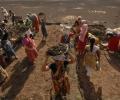
Many farmers in drought hit states are seeking MGNREGA work but the state government's coffers do not have enough fund to pay the salaries of these workers.

Cheap milk prices, rising fodder cost and the difficulties in buying new cattle and selling old ones on account of cow vigilantism have cast a triple shadow on this sunshine sector in Indian agriculture, reports Sanjeeb Mukherjee.

The new governments will have to spend much more than Rs 220 billion in Rajasthan, more than Rs 160 billion in MP, and nearly Rs 30 billion in Chhattisgarh.

Aiming to push India into the list of the top 10 agri export nations, the policy has been backed by the Prime Minister's Office

The latest official numbers on the price of agricultural produce gives an idea of what's fueling the farmers' protest in Delhi.
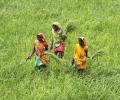
For the entire UPA regime, from 2005-06 to 2013-14, the average annual farm growth according to the GDP back series data is 3.8 per cent, which too is higher than the first four years of the NDA, though these two periods aren't comparable because one spans nine years and the other four.

Dalit votes could play a decisive role in 28-30 constituencies in the 230-member assembly.

Experts say the recent Rs 14,000-crore PNB fraud could have been avoided had there been an integration of PNB's CBS with its SWIFT system

All stakeholders in the diamond industry chain from mines to retailers have to follow a system of warranty under which they have to individually declare in the invoices they issue that what they have sold are not conflict diamonds.

The railways, the country's largest employer, will be hiring 127,000 people in 2018-2019, for which 23.7 million are competing.

The bullish outlook for gold is seen as a trigger for silver to perform better going ahead.
The minimum support price for the rabi season will not radically alter the falling trajectory of farm incomes

Sebi filed a criminal complaint against the brokers with the economic offences wing, which on Friday registered a case under the Forward Contract Regulation Act 1952.

Twelve of the 36 meteorological subdivisions recorded deficient rainfall, while the rest witnessed normal to excess rain. In total, 38 per cent of the 662 districts received below-normal rain.
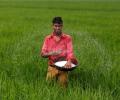
In Central India, the standing soybean and pulses crops have also been hit but the loss isn't massive as the showers were followed by relatively bright sunshine that helped absorb soil moisture

'India is there to stay as it has always been a consumer.' 'Its consumption has been huge, mainly due to demographics.'
 © 2026 Rediff.com - Investor Information - Advertise with us - Disclaimer - Privacy Policy - Sitemap - Feedback - About us - Terms of use - Grievances